Hybrid inverter architecture
PV input, battery ports and backup loads are coordinated for residential and light commercial sites that need stable transition behavior.
Deye connects hybrid inverters, microinverters, LFP batteries, solar kits and monitoring services into a sharper operating layer for installers, developers and distributed energy teams.
PV input, battery ports and backup loads are coordinated for residential and light commercial sites that need stable transition behavior.
Module-level conversion supports shaded roofs, phased retrofits and installers that need clear AC-side expansion paths.
Battery selections reference usable kWh, cycle life, BMS communication and round-trip efficiency rather than vague capacity claims.
Alarm alerts, firmware coordination and fleet dashboards help support teams detect configuration drift before it becomes downtime.
Commissioning notes distinguish UL, IEEE, CE, VDE and regional requirements so teams can prepare documentation by market.
Wiring, earthing, commissioning and monitoring handoff steps are written for site crews, not just laboratory data sheets.
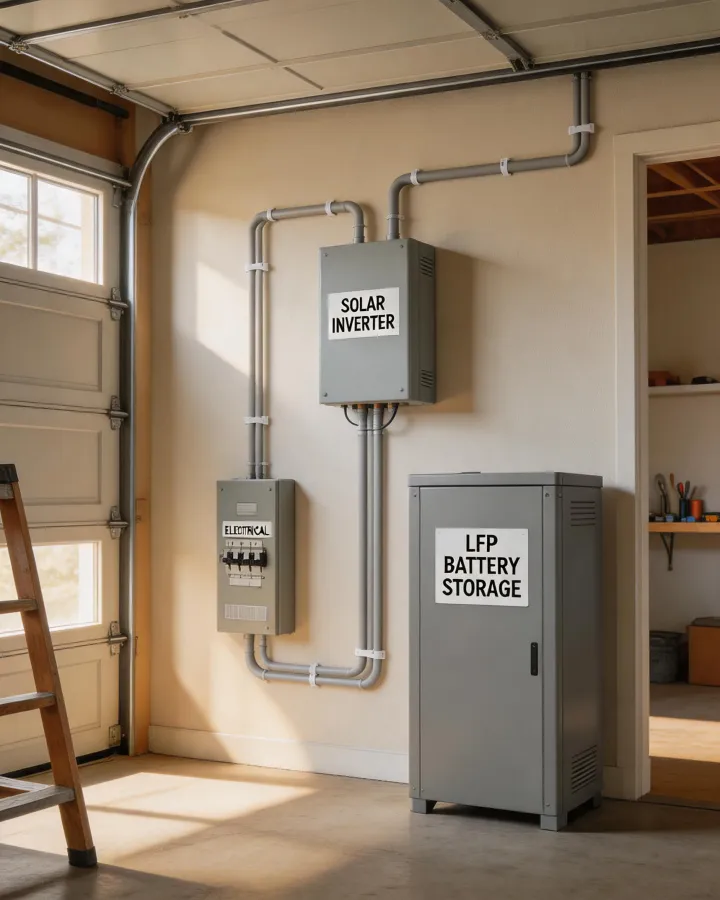
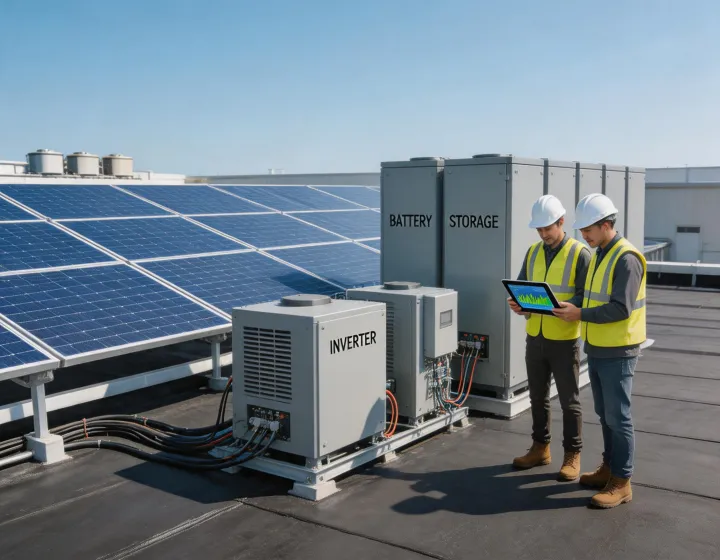
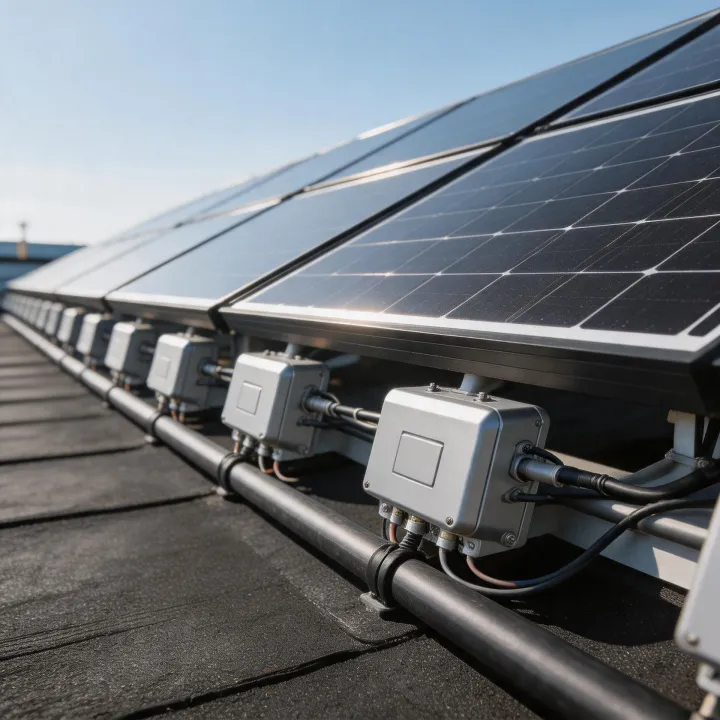
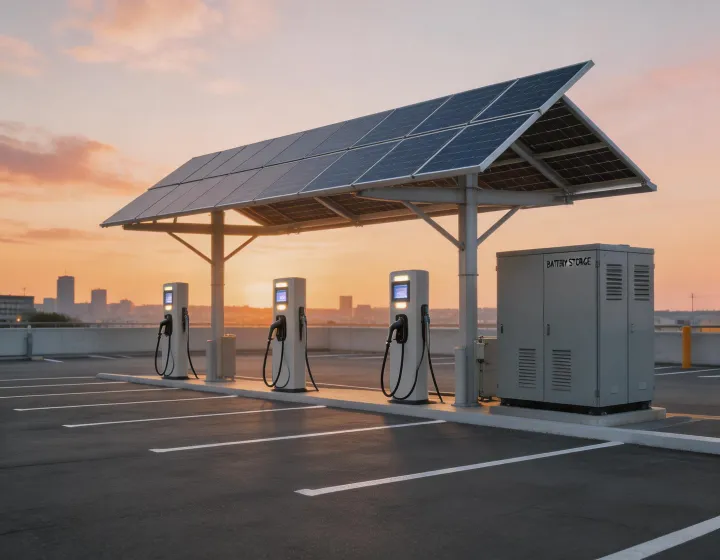
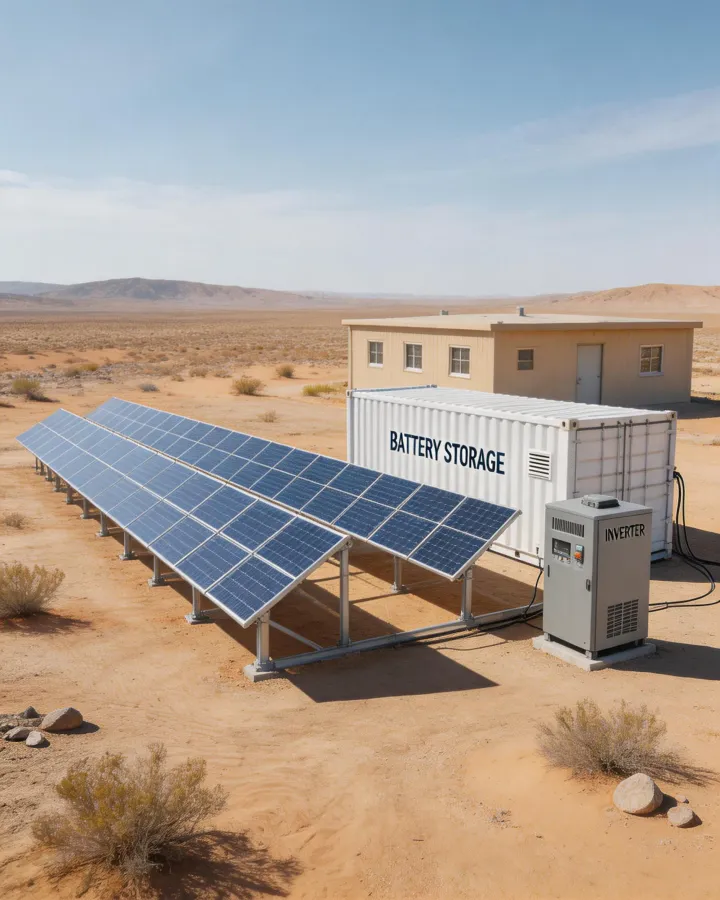
Deye aligned product development around PV, battery and backup interaction so installers could design fewer separate boxes.
Fleet visibility became a commissioning and support requirement, connecting alarm history, firmware status and owner-facing energy views.
System packages put battery communication, safety documentation and load behavior closer to the inverter selection process.
Roadmap work emphasizes stronger islanding behavior, V2H/V2G coordination and software-defined operating modes for flexible energy assets.
Deye gives our engineering desk a practical bridge between inverter selection, battery communication and long-term monitoring. The value is not only the equipment; it is the way the system keeps the installer, owner and service team reading the same signals.