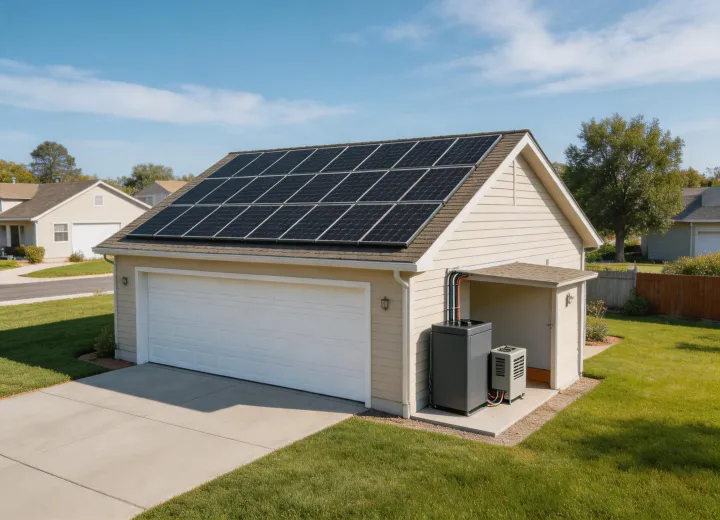
Residential hybrid solar
Designed for households that want self-consumption, backup load planning and a monitoring experience that explains production, battery SOC and grid import without technical confusion.
Deye's application logic starts with the load profile. A hybrid inverter in a home must manage self-consumption, backup circuits and owner-facing monitoring. A commercial rooftop site may need peak-shaving and export control. A microgrid may require PV, batteries and generator coordination. Each case changes the conversation around inverter sizing, battery communication, grid-code selection and service response.
Designed for households that want self-consumption, backup load planning and a monitoring experience that explains production, battery SOC and grid import without technical confusion.
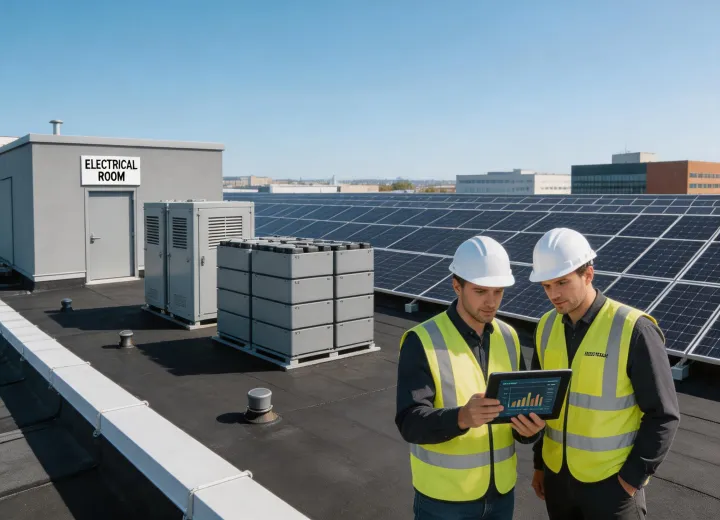
Supports demand management, time-of-use response, remote fleet visibility and more disciplined commissioning records for multi-site operators and EPC teams.
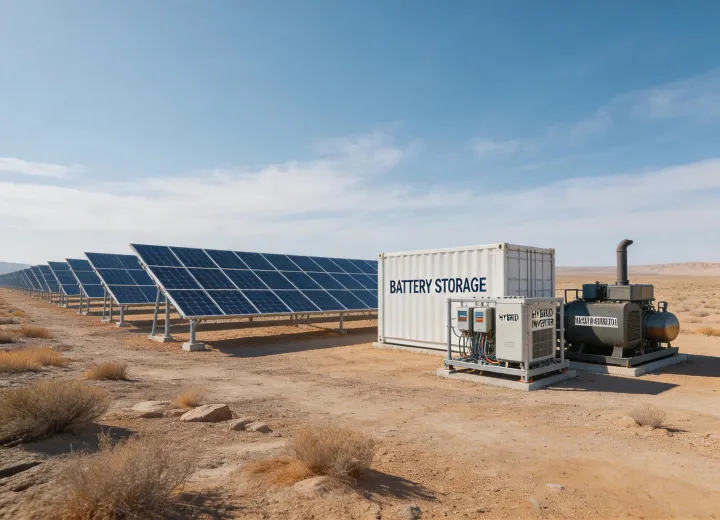
PV, battery and generator behavior must be coordinated around load priority, charging logic and maintenance windows so remote assets stay observable.
Application engineering also prevents category drift. EV charging infrastructure should not be treated as a simple inverter accessory. Battery storage should be evaluated by usable capacity, BMS communication and thermal behavior rather than nominal kWh alone. Solar panels and turnkey kits need realistic site assumptions around roof condition, orientation, local electricity price and eligible incentives. Deye's application pages make these distinctions explicit so channel teams can guide customers with a more credible technical vocabulary.
For installers, that vocabulary becomes a practical checklist. Residential systems need answers about critical-load panels, split-phase service, battery reserve, generator interaction and homeowner expectations during an outage. Commercial systems need export limitation, CT placement, tariff logic, fire access and remote service access discussed before the equipment arrives. Microgrid projects add another layer: autonomy target, generator start logic, black-start behavior, spare parts strategy and who will watch alarms after the commissioning crew leaves. Deye treats these application differences as engineering inputs, not marketing segments, because the right inverter choice depends on how the site is expected to behave every day.
Tell Deye your load profile, market region and battery target. The engineering team will help frame the system decisions.
Discuss Application